
Exploring the social dynamics of gambling in today's society
The Evolution of Gambling in Modern Society
Gambling has transformed remarkably from its early roots to the present day. Once viewed as an underground activity, it has gained mainstream acceptance and visibility. This shift can be attributed to various factors, including changes in legislation, technological advancements, and evolving cultural attitudes. The rise of online gambling platforms has made it accessible to a broader audience, blurring the lines between traditional and digital gambling experiences. For those seeking engaging options, the ice fishing casino offers a thrilling twist on online gaming.

The democratization of gambling through the internet has enabled individuals to engage with gambling in ways that were once inconceivable. People can now participate in sports betting, poker games, and casino experiences from the comfort of their homes. This accessibility has also contributed to the normalization of gambling, allowing it to be discussed openly in social circles, media, and even academic settings, further embedding it into the fabric of modern culture.
Furthermore, the advertising and marketing strategies employed by gambling operators have significantly influenced societal perceptions. Flashy promotions and celebrity endorsements have made gambling seem not only acceptable but also an attractive form of entertainment. As a result, gambling has shifted from a niche activity to a prominent part of recreational leisure, impacting how people perceive risk, reward, and social engagement.
The Role of Social Media in Gambling
Social media has emerged as a powerful tool in shaping the gambling landscape, influencing both participation and public perception. Platforms like Twitter, Instagram, and TikTok allow users to share their gambling experiences, strategies, and winnings. This sharing culture encourages others to participate, often glamorizing gambling as a fun and rewarding endeavor. Influencers and content creators frequently showcase their successes, creating a narrative that can entice others to try their luck.
However, this heightened visibility also raises concerns regarding the portrayal of gambling and its implications for responsible gambling practices. The glamorization of gambling can obscure the potential risks associated with addictive behaviors. Social media can create a sense of community among gamblers, which may inadvertently foster unhealthy habits as individuals seek validation through their gambling experiences. The need for a balanced narrative that includes responsible gambling messages is essential in this digital age.
Moreover, social media enables gambling companies to target specific demographics more effectively. By analyzing user behavior and interests, companies can tailor their marketing strategies, reaching potential gamblers where they already spend their time. This targeted approach can amplify the social dynamics of gambling, as individuals are more likely to engage when surrounded by relatable content. Understanding these dynamics is crucial for addressing the impact of gambling on different societal segments.
The Intersection of Gambling and Mental Health
The relationship between gambling and mental health is complex and multifaceted. For some, gambling serves as a form of escapism, providing relief from daily stressors or emotional pain. However, this temporary relief can lead to a cycle of dependency, exacerbating mental health issues over time. Research has shown that individuals with pre-existing mental health conditions, such as anxiety and depression, are more susceptible to developing gambling-related problems.
It’s essential to recognize that while gambling can be a form of entertainment, it can also act as a trigger for harmful behaviors. The thrill of winning can lead individuals to take greater risks, potentially resulting in financial loss and emotional distress. The societal stigma surrounding gambling addiction can further isolate affected individuals, making it imperative for communities to foster open discussions about mental health and gambling. Creating supportive environments can help mitigate these risks.
Furthermore, the integration of mental health resources within gambling frameworks can provide significant benefits. By promoting awareness and offering accessible support services, gambling establishments can play a pivotal role in preventing gambling-related harm. Initiatives that focus on education and responsible gambling practices can empower individuals to make informed decisions, ultimately improving overall community well-being.
The Cultural Implications of Gambling
Gambling holds different meanings across cultures, often reflecting societal values and traditions. In some cultures, gambling is deeply embedded in social rituals and community activities, while in others, it is viewed with skepticism or outright disapproval. This cultural dichotomy shapes how individuals engage with gambling, influencing both participation rates and societal attitudes toward it. Understanding these cultural nuances is vital for addressing the diverse implications of gambling in a globalized world.
Moreover, the perception of gambling often intersects with issues of morality and ethics. In many societies, gambling is associated with negative consequences, such as crime or poverty, leading to calls for regulation and public health initiatives. Yet, in other contexts, gambling is celebrated as a form of entertainment, contributing to economic growth and job creation. Balancing these perspectives can be challenging, necessitating a nuanced approach to policy-making and community engagement.
As globalization continues to influence cultural exchanges, the dynamics surrounding gambling are also evolving. The rise of international online gambling platforms allows individuals from diverse backgrounds to engage in gambling activities, creating a melting pot of cultural attitudes and practices. This globalization can lead to the spread of both positive and negative aspects of gambling, highlighting the need for responsible practices that honor local customs while promoting healthy engagement.
Understanding Online Gambling Platforms and Their Impact
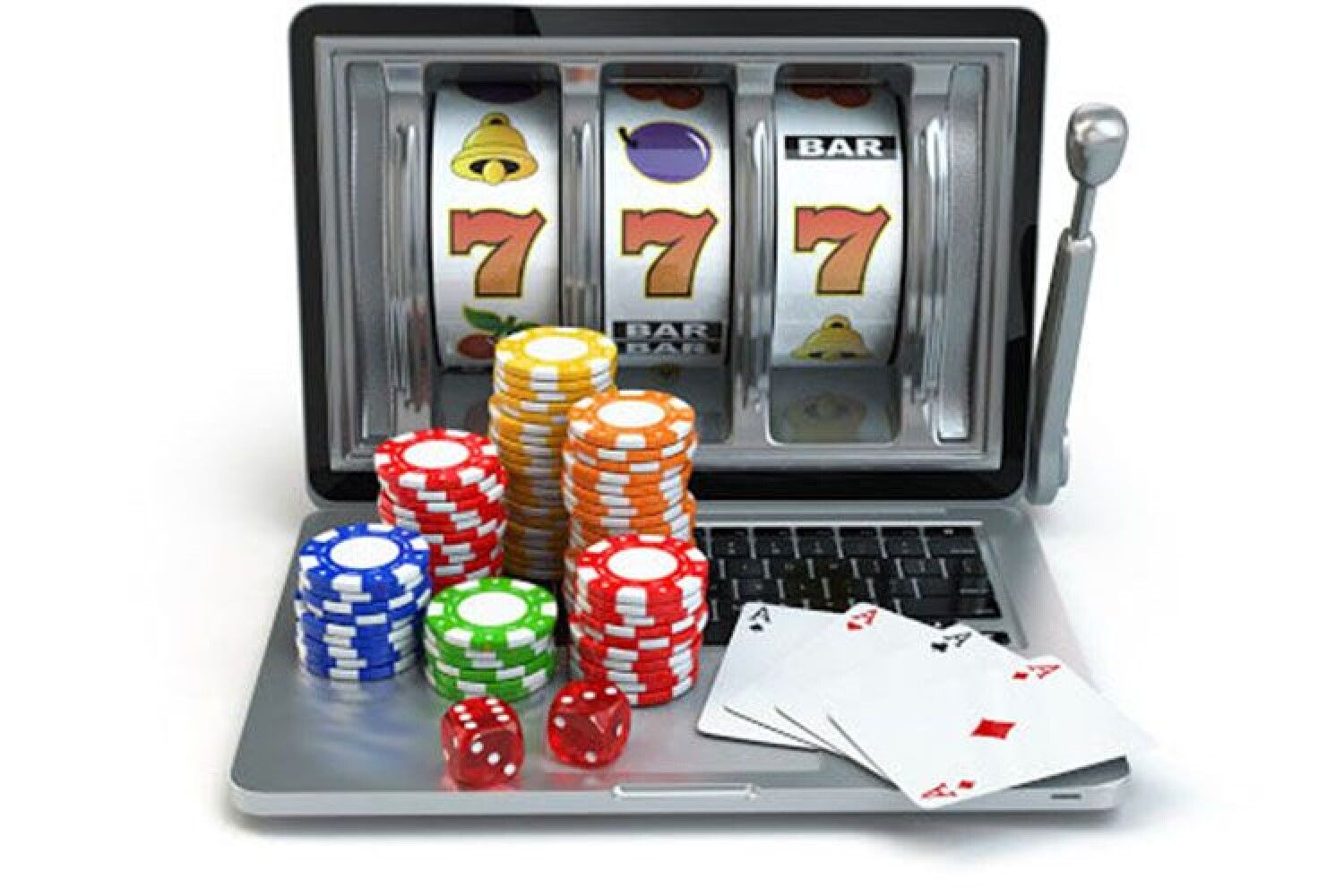
Online gambling platforms have revolutionized the gambling landscape, offering unprecedented access and variety for players. These platforms provide a multitude of gambling options, from virtual casinos to sports betting, catering to a wide range of preferences and interests. The convenience of online gambling allows individuals to participate anytime and anywhere, contributing to a significant increase in user engagement.
However, with this accessibility comes concerns regarding gambling addiction and the potential for harm. Online platforms often employ aggressive marketing strategies, luring players with enticing bonuses and promotions. This approach can create an environment where individuals are encouraged to gamble more than they can afford, leading to serious financial and emotional repercussions. The responsibility falls on operators to prioritize responsible gambling practices and implement measures that protect vulnerable players.
Additionally, the community aspect of online gambling can enhance the overall experience, allowing players to connect with others through forums, chat features, and multiplayer games. This social dynamic can foster a sense of belonging and shared experiences, yet it also poses challenges, as individuals may feel pressure to conform to gambling behaviors exhibited by their peers. Understanding these complexities is essential for promoting healthy gambling habits and ensuring a safe online environment.