
The evolution of gambling tracing its historical roots and cultural impact
The Ancient Origins of Gambling
The practice of gambling has ancient roots, with evidence dating back to at least 3000 BCE. Archaeologists have discovered artifacts such as dice in Mesopotamia and China, illustrating that early civilizations engaged in games of chance. These early forms of gambling often had cultural significance, intertwined with religious and social rituals. For instance, the ancient Romans used dice games during festivities, showcasing how gambling was a source of entertainment and social cohesion. Today, platforms like https://spinboss.nz/ continue this legacy, ensuring a fun environment for players.
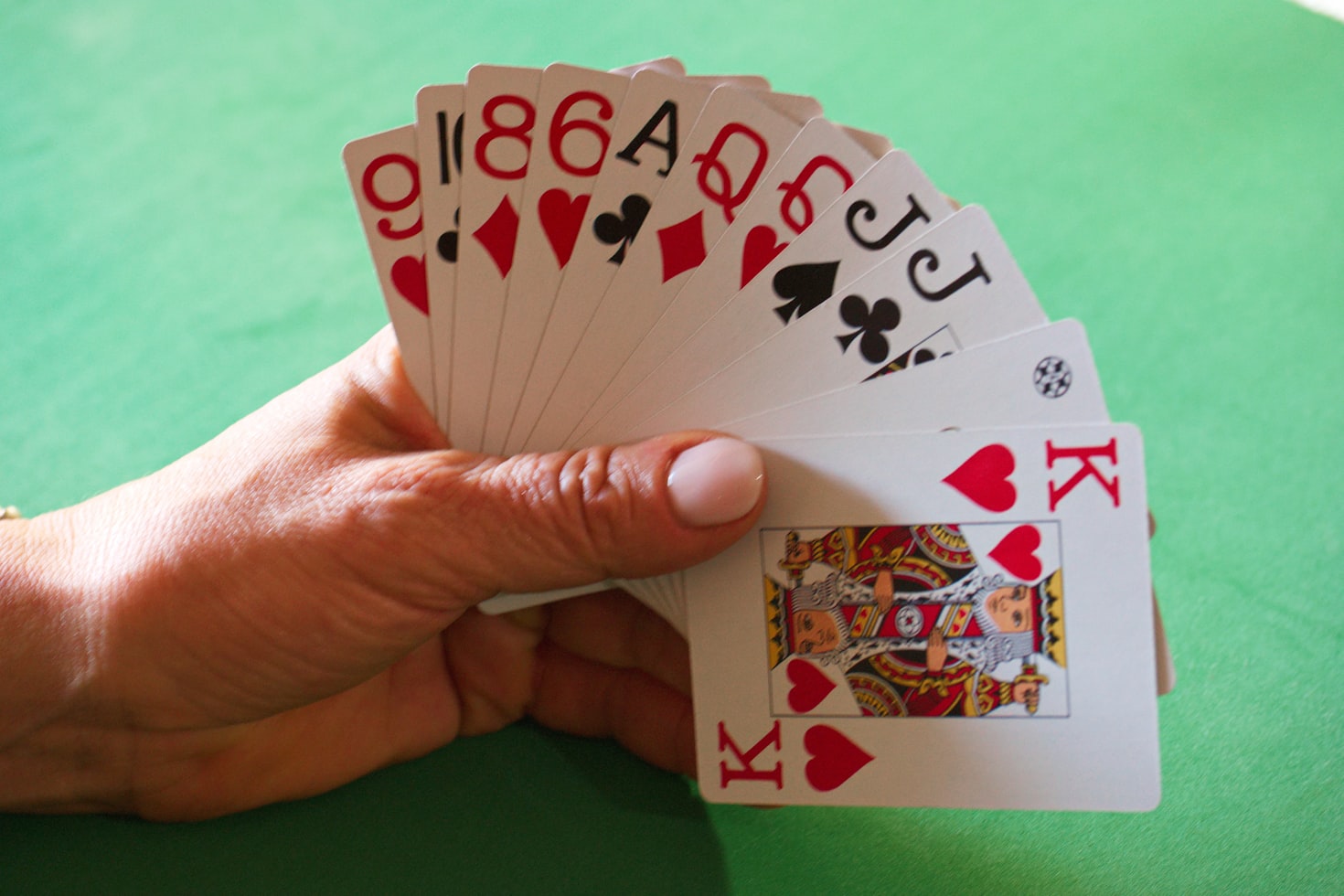
In ancient China, gambling became formalized with the invention of various games, including a rudimentary version of keno. This early form of betting not only served as entertainment but also played a role in financing public projects, such as the construction of the Great Wall. Gambling’s integration into daily life reflects its importance in both the social fabric and economic structures of these early societies.
As societies evolved, so did their gambling practices. The Greeks introduced more structured games and betting systems, with the development of professional gamblers and established rules. This evolution marked a transition from casual entertainment to a more organized form of gambling, setting the stage for future developments in the gambling world. The cultural impact of these early gambling practices can still be felt today, highlighting humanity’s long-standing relationship with chance and risk.
The Middle Ages to the Renaissance: A Shift in Perception
The Middle Ages saw a complex relationship with gambling, as it became both a popular pastime and a source of moral concern. While games such as chess and dice were widely enjoyed among the nobility, gambling was often associated with vice and immorality. The Catholic Church condemned many forms of gambling, viewing them as distractions from spiritual obligations. Yet, despite this opposition, gambling persisted, indicating its deep roots in human behavior.
During the Renaissance, a resurgence of interest in humanism and cultural expression paved the way for the establishment of more formal gambling establishments. The first licensed gambling houses emerged in Italy, particularly in Venice. These establishments catered to a growing appetite for organized games, and the popularity of card games skyrocketed. This period marked a critical turning point where gambling began to be seen not just as a vice, but as a legitimate form of entertainment.
The cultural impact of gambling during this time was significant. It not only reflected societal changes but also contributed to the economy, with flourishing gambling houses generating wealth. The establishment of lotteries in various European countries further exemplified this trend, providing public funding for communal projects while simultaneously engaging the populace in games of chance. This dual function of gambling—entertainment and public service—laid the groundwork for modern gambling practices.
The Birth of Modern Gambling and Regulation
The 18th and 19th centuries marked the rise of modern gambling as we know it today. The establishment of state-sponsored lotteries and the legalization of betting houses in England and other parts of Europe led to an explosion in gambling popularity. This period also saw the advent of new games such as baccarat and poker, which diversified the landscape of gambling. The development of casinos, particularly in Europe and later in the United States, transformed gambling into a global industry.
The rise of gambling also necessitated regulation. Governments began to recognize the economic benefits that could be derived from legalized gambling, leading to the establishment of regulatory bodies. This framework aimed to combat illegal gambling operations and ensure fair play, creating a safer environment for players. By the late 19th century, various states in America began to regulate gambling, leading to the creation of iconic gambling hubs like Las Vegas.
This era underscored the cultural acceptance of gambling, with casinos becoming synonymous with luxury and entertainment. The entertainment aspect was further enhanced by the introduction of showgirls and live performances, transforming the gambling experience into a multifaceted leisure activity. This evolution reflected society’s changing perceptions of gambling, transitioning from taboo to mainstream entertainment and a significant economic driver.
The Digital Age: Online Gambling Takes Center Stage
The advent of the internet revolutionized the gambling industry, giving rise to online casinos and betting platforms. Starting in the mid-1990s, online gambling emerged as a convenient alternative to traditional casinos. Players could now access a wide range of games from the comfort of their homes, leading to a significant shift in consumer behavior. Online platforms began to offer everything from classic poker and blackjack to innovative slot games, appealing to a broader audience.
The global reach of online gambling transformed the industry, allowing players from different cultures to engage in games and betting from around the world. This diversification brought various gaming styles and cultural influences into the mix, further enriching the gambling landscape. The anonymity and accessibility of online gambling also attracted new demographics, including younger players who preferred the ease of digital platforms over traditional casinos.
However, the rise of online gambling has not been without challenges. Issues related to regulation, responsible gambling, and cybersecurity have emerged, prompting governments to implement new laws and protections. As online gambling continues to evolve, the cultural impact is profound, as it shapes social interactions and perceptions around gambling. The industry now faces the task of balancing innovation with responsibility, ensuring that the experience remains enjoyable and safe for all participants.

SpinBoss: A New Era of Online Gaming
In this ever-evolving landscape, SpinBoss stands out as a premier online gaming platform tailored for players in New Zealand. Offering an extensive selection of games, from thrilling pokies to classic table games, SpinBoss combines excitement with a user-friendly interface and robust security measures. This modern platform exemplifies the fusion of traditional gambling elements with contemporary technology, providing a seamless gaming experience for its users.
SpinBoss not only prioritizes entertainment but also emphasizes player safety and satisfaction. With features such as fast payouts and a range of payment options, including cryptocurrencies, SpinBoss ensures that players enjoy a convenient and secure environment. The site also offers generous promotions, including a welcome package that attracts new players while retaining existing ones.
As the online gambling industry continues to grow, platforms like SpinBoss are redefining the gaming experience. By blending cutting-edge technology with a deep understanding of player needs and cultural nuances, SpinBoss is poised to become a leading choice for online gamblers in New Zealand and beyond. Join SpinBoss today and discover a new era of online gaming where tradition meets innovation.